What is self-publishing?
What is self-publishing?
Self-publishing is the process of independently publishing your own book without the involvement of a traditional publishing house. This means the author takes on the responsibilities typically handled by a publisher, including editing, designing, printing, marketing, and distributing the book. Here’s a detailed overview of what self-publishing entails:
Key aspects of self-publishing
1. Creative control
Content: Authors retain complete control over the content, including the story, illustrations, and overall message.
Design: Authors can design the cover and layout to match their vision or hire professionals to help.
2. Financial investment
Upfront costs: Self-publishing can require a significant upfront investment, especially for editing, cover design, and marketing.
Royalties: Authors keep a higher percentage of sales compared to traditional publishing, where royalties are shared with the publisher.
3. Production process
Editing: Hiring a professional editor is crucial to ensure the book is polished and free of errors.
Design: This includes cover design, interior layout, and any illustrations. Professional designers can help create a visually appealing book.
Printing: Options include print-on-demand (POD) services, which allow authors to print copies as they are ordered, reducing the need for large upfront print runs.
4. Distribution channels
Online retailers: Platforms like Amazon Kindle Direct Publishing (KDP), Apple Books, and Barnes & Noble Press allow authors to distribute ebooks and print books.
Bookstores: Getting self-published books into brick-and-mortar stores can be challenging but is possible through partnerships and distribution services like IngramSpark.
Direct sales: Authors can sell books directly through their own websites or at events such as book fairs and signings.
5. Marketing and promotion
Author platform: Building an online presence through a website, social media, and an email list is crucial for marketing.
Advertising: Paid advertising on platforms like Amazon, Facebook, and Google can help reach a wider audience.
Public relations: Engaging with media, book bloggers, and influencers can generate buzz and reviews.
Advantages of self-publishing
Control: Authors make all the decisions regarding their book’s production and marketing.
Speed: The time from manuscript to published book can be much faster compared to traditional publishing.
Higher earnings: Authors can potentially earn more per book sold since there are no publisher cuts.
Challenges of self-publishing
Quality Control: Ensuring high standards in editing, design, and production requires effort and investment.
Marketing: Without the support of a publishing house, authors must handle all marketing efforts, which can be time-consuming and costly.
Distribution: Gaining widespread distribution and visibility can be more difficult compared to traditionally published books.
Popular self-publishing platforms
Amazon Kindle Direct Publishing (KDP): Offers both ebook and print-on-demand services. It’s the most widely used self-publishing platform due to Amazon’s vast reach.
Apple Books: For ebook distribution to Apple device users.
Barnes & Noble Press: For both ebooks and print books, focusing on the Barnes & Noble ecosystem.
IngramSpark: Provides extensive print and distribution services, making it easier to get books into bookstores and libraries.
Conclusion
Self-publishing empowers authors to bring their stories to life on their own terms. While it requires a significant amount of work and investment, it offers unparalleled creative control and the potential for higher earnings. By understanding the self-publishing process and utilizing available resources, authors can successfully navigate the journey from manuscript to published book.
Written a children’s book?
Finished your manuscript but unsure what happens next?
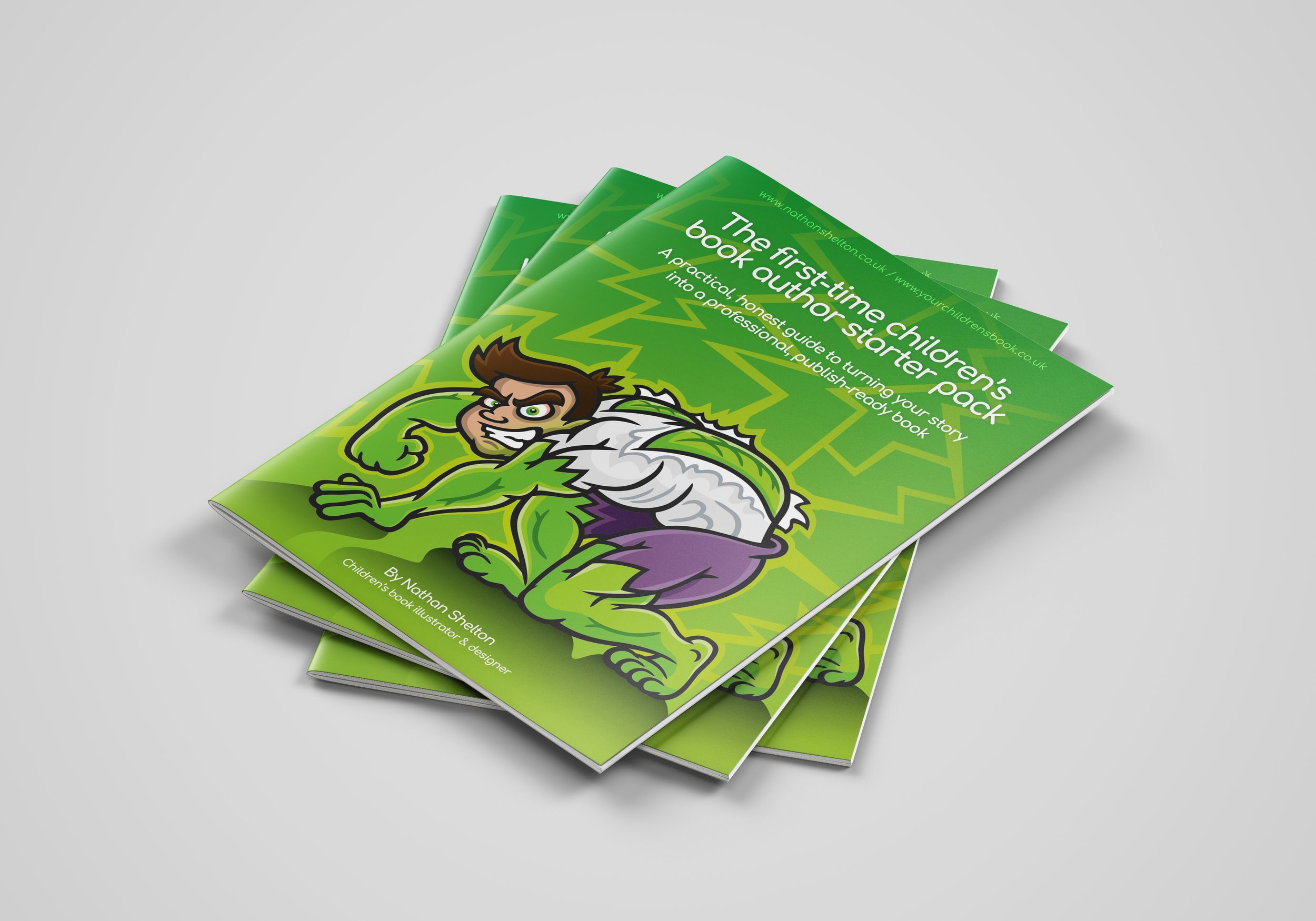
Get the The first-time children’s book author starter pack and feel confident about your next steps. Download and understand page counts, pricing, publishing options and what to avoid.
Make informed decisions from the start. Clear guidance. No overwhelm. No pressure.